Can You See Through Sheer Curtains at Night? Privacy & Layering Guide for Hotels and Homes
When people ask “can you see through sheer curtains at night?”, they are really worried about whether their bedroom or hotel room can stay private once the lights are on, without losing the soft daylight effect they love during the day. Sheer curtains and window sheers look light and elegant, but if they are used in the wrong way, they can expose the inside of a room at night. This guide explains how sheer curtains behave in real life and how to turn these common questions into better layering solutions and stronger sales.
Why Sheer Curtains Look Different in the Day and at Night
Daytime – outside brighter than inside


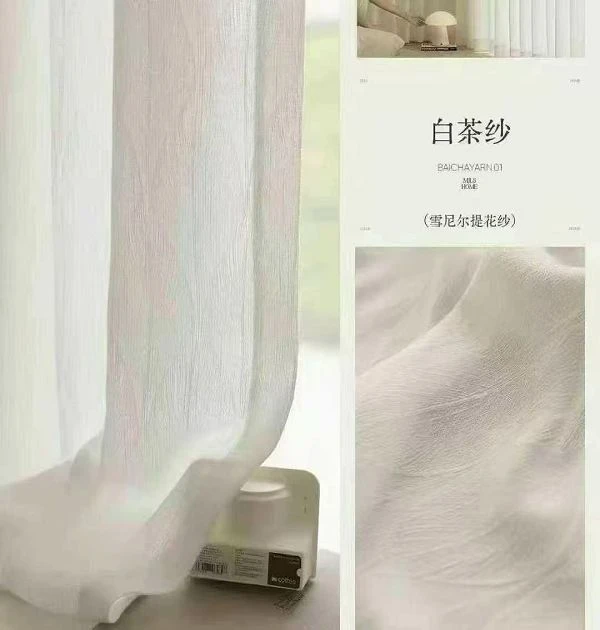

During the day, the outside is usually brighter than the inside. Sheer curtains take strong sunlight and break it into softer light, creating a kind of glowing screen in front of the window. From the room side, you can still see through the sheers to the outside view; from the street side, the reflected light and bright background make it harder to see details inside. This is why many people feel that sheer curtains give both brightness and “some privacy” in daytime.
Nighttime – inside brighter than outside
At night, the situation is reversed. The outside is dark and the room is lit from within. If there is only one layer of sheer curtains or window sheers in front of the glass, the fabric becomes just a thin layer in front of the light source. To someone standing outside, your room looks like a lit box, and silhouettes and movements become visible. So when we honestly answer the question “can you see through sheer curtains at night?”, the realistic answer is: with only sheers and strong indoor lights, yes, people can usually see into the room.
Fabric weave, colour and pattern also matter
Not all sheers behave exactly the same. A very thin, loosely woven, pale sheer will be more see‑through at night than a slightly thicker, denser fabric with more embroidery or jacquard structure. However, even the denser options still belong to the light‑filtering category, not blackout. For windows facing busy streets or close neighbours, it is safer to treat sheer curtains as a daytime and decorative layer, not as the only solution for privacy after dark.
How to Use Sheer Curtains Without Losing Privacy
Layering sheer with blackout or dim-out curtains
The most reliable way to keep privacy is layering. In a typical set‑up, sheer curtains sit closer to the glass, and blackout or dim‑out curtains sit inside the room. During the day, you open the blackout or dim‑out curtains and keep the sheers closed, enjoying gentle daylight and a soft look. At night, you draw the blackout or dim‑out curtains to provide full privacy and darkness, while the sheers remain as a decorative inner layer. In this configuration, the answer to “can you see through sheer curtains at night?” changes to “no, because the sheer layer is no longer responsible for privacy – the blackout layer is.”
Using fireproof window screens in hotel projects
Hotel and serviced apartment projects often need to satisfy both design and fire safety regulations. In many rooms, buyers now use fireproof window screens directly on the window side, with decorative sheers and blackout curtains layered inside. Fireproof window screens help meet standards, while the sheers keep the room comfortable and stylish during the day. For buyers who want a practical example, you can point them to a dedicated product page, such as a fireproof window screen wholesale collection from Keqiao, China, and show how it works together with decorative sheers and blackout fabrics.
Smart use of lighting
Lighting also affects how see‑through a sheer curtain appears at night. If the main light source is right next to the window, or if there is a very strong ceiling light, silhouettes will be more visible from outside. If you use softer, indirect lighting deeper inside the room, and perhaps a small bedside lamp instead of a bright ceiling light, the amount of detail visible through sheers will be lower. Showing customers day‑night and lighting comparisons in photos or short videos can make this point much clearer than text alone
Choosing the Right Sheer and Window Screen Fabrics for Different Buyers
For hotels and serviced apartments
Procurement teams for hotels and serviced apartments care about safety, durability and standardization. For them, sheer curtains are best positioned as a “daytime and atmosphere layer”, while serious privacy at night must be handled by blackout curtains or roller blinds. Fireproof standards such as NFPA 701 or BS 5867 are important whenever fabrics are used in public or semi‑public spaces. In proposals, it is helpful to describe the curtain system clearly: daytime – sheers or fireproof window screens for light diffusion and view; nighttime – blackout curtains for privacy and sleep quality.
For home and small retail buyers
Homeowners and small retail customers are more emotional and less technical. When they ask “can you see through sheer curtains at night?”, they are often worried about neighbours or people on the street. For them, simple messages work best: “Sheers alone at night: yes, people can usually see in. Sheers plus blackout or dim‑out: you get both style and privacy.” Combine these explanations with hanging samples and real room photos so that customers can see the difference with their own eyes.
Conclusion – Turn a Common Question into Professional Advice
Can you see through sheer curtains at night?” sounds like a basic lifestyle question, but for curtain fabric wholesalers and project suppliers, it is a chance to demonstrate expertise and win trust. When you can clearly explain the difference between day and night, show how layering solves the problem, and recommend suitable fabrics for each layer, customers are more comfortable following your advice and placing full‑window orders.
 English
 Español
 Français
 Русский